Bitcoin is again trading as “digital gold,” but has not yet become a safe-haven asset
Bitcoin’s rise above $80,000 in August was accompanied by behavior atypical for a classic risk asset. The cryptocurrency appreciated at the same time as gold, following the U.S. Treasury’s decision to increase buybacks of long-term Treasury bonds and amid investor concerns about the debt burden and the long-term value of the dollar. The market is once again talking about the debasement trade — buying scarce assets in anticipation of a decline
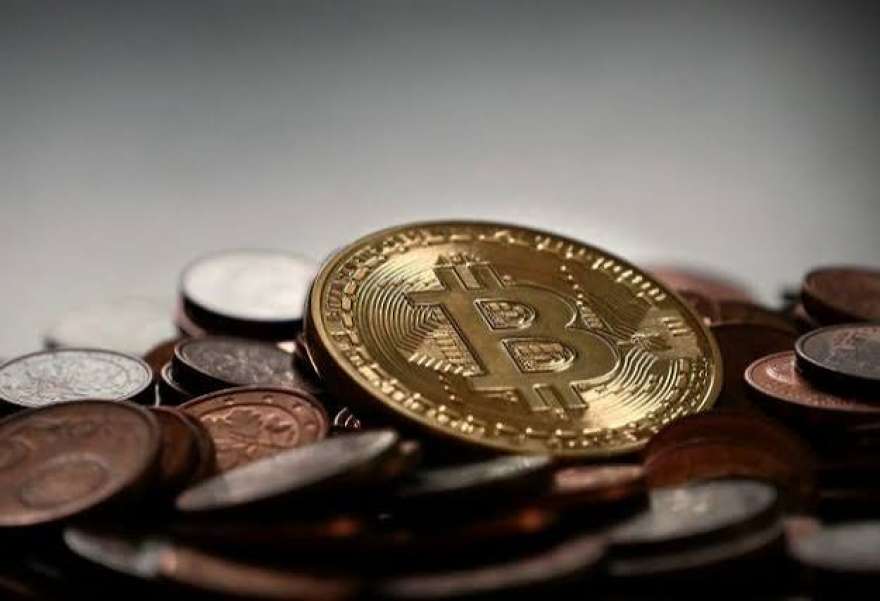
Bitcoin’s rise above $80,000 in August was accompanied by behavior atypical for a classic risk asset. The cryptocurrency appreciated at the same time as gold, following the U.S. Treasury’s decision to increase buybacks of long-term Treasury bonds and amid investor concerns about the debt burden and the long-term value of the dollar. The market is once again talking about the debasement trade — buying scarce assets in anticipation of a decline in the purchasing power of currencies. However, it is still hard to call bitcoin a full-fledged analogue of gold. On August 31, amid growing expectations of a Fed rate hike, BTC remained at around $78,500, while gold stood at around $4,450 per ounce. Rising bond yields put pressure on both assets. The difference lies in volatility. Gold remains a traditional reserve asset of central banks and institutional investors, whereas bitcoin continues to show significantly deeper drawdowns. It is therefore more accurate for now to say that BTC is partly acquiring the properties of an anti-dollar asset, but does not yet replace gold.
https://www.fixygen.ua/news/20260904/bitkoyn-znovu-torguetsya-yak-tsifrove-zoloto-ale-zahisnim-aktivom-poki-shcho-ne-stav.html