From the Gym to a Profession: What Was Discussed at the “Human Potential Without Barriers” Panel During SBC Summit Ukraine 2026 in Lviv
For a veteran, sport can be not only a way to recover, but also the start of a path to education, work and a business of one’s own. This was the main idea of the panel discussion “Human Potential Without Barriers: New Opportunities for Veterans in Sport and Professional Life”.
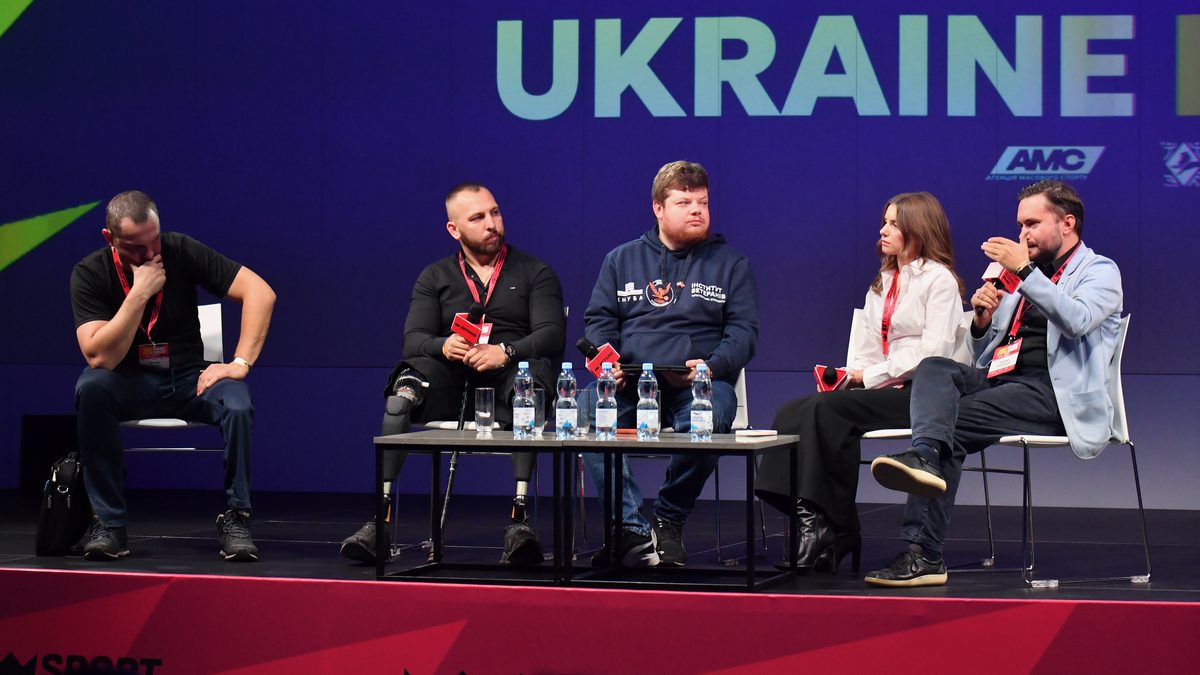
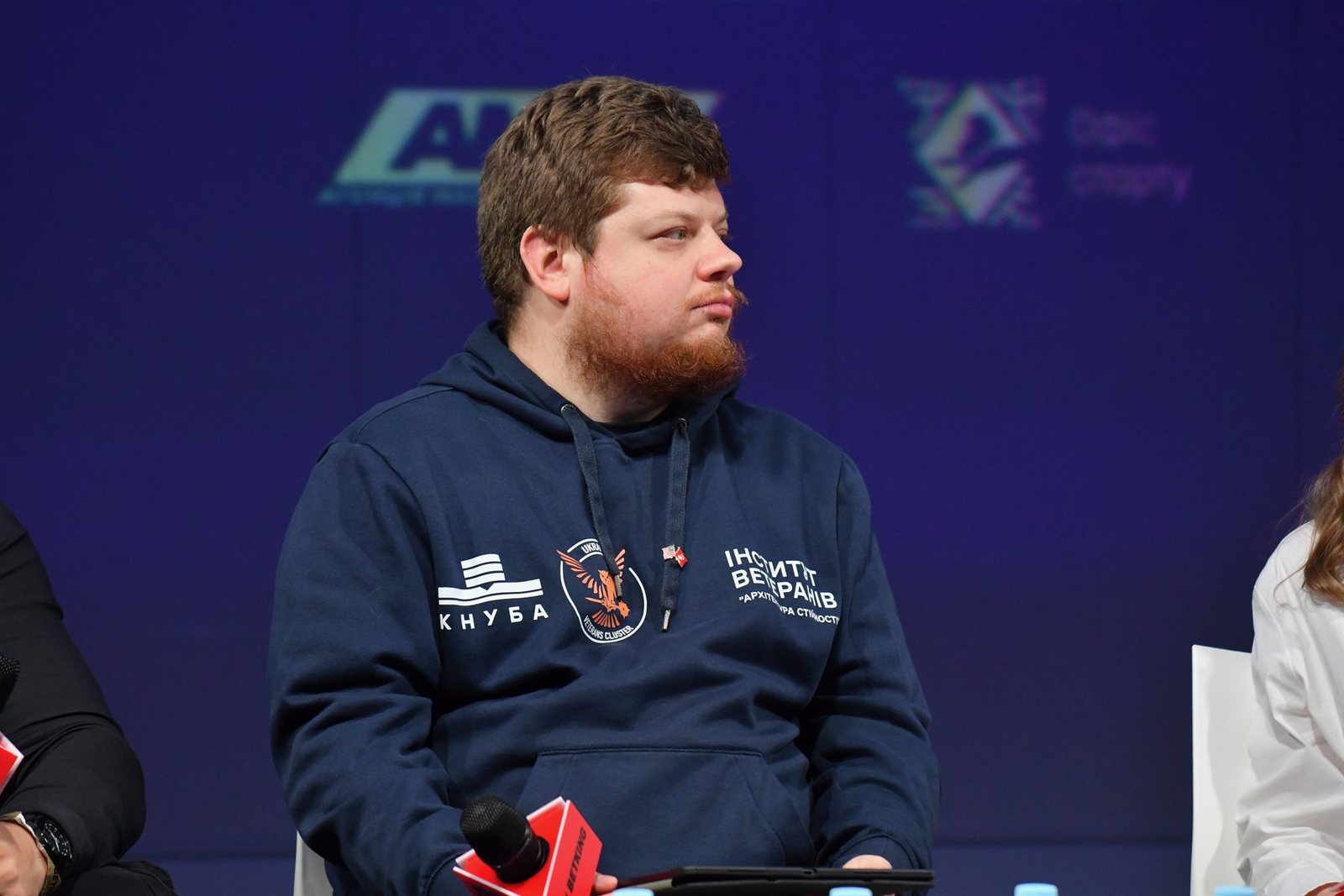
The event took place on 28 October in Lviv as part of SBC Summit Ukraine 2026. The discussion was moderated by Artem Honcharenko, PhD, head of the Institute “Architecture of Resilience” of KNUBA and the Ministry of Education and Science’s ambassador for barrier-free access.
SBC Summit Ukraine 2026 is an all-Ukrainian sports marketing conference organised by the Sport&Business Club community. It brought together representatives of the sports industry, business and the media to share experience and discuss the challenges and prospects of developing Ukrainian sport.
For the Veterans Institute of KNUBA, the topic of the panel is a core one: its work is paving the veteran’s path from recovery to a full life.
The conversation was joined by speakers, each of whom represents a separate area of veterans’ and adaptive sport:
- Mykhailo Varvarych, co-founder of the club “Veterans’ Spirit of Lviv”, a veteran of the 80th Separate Air Assault Brigade of the Air Assault Forces of the Armed Forces of Ukraine
- Roman Hapachylo, president of the para ice hockey club “Nezlamni” (Lviv)
- Viktor Didukh, two-time Paralympic champion in table tennis, founder of Didukh Academy
- Iryna Matviichuk, project manager at the Shakhtar Social charitable foundation
Sport as a Space of Opportunity
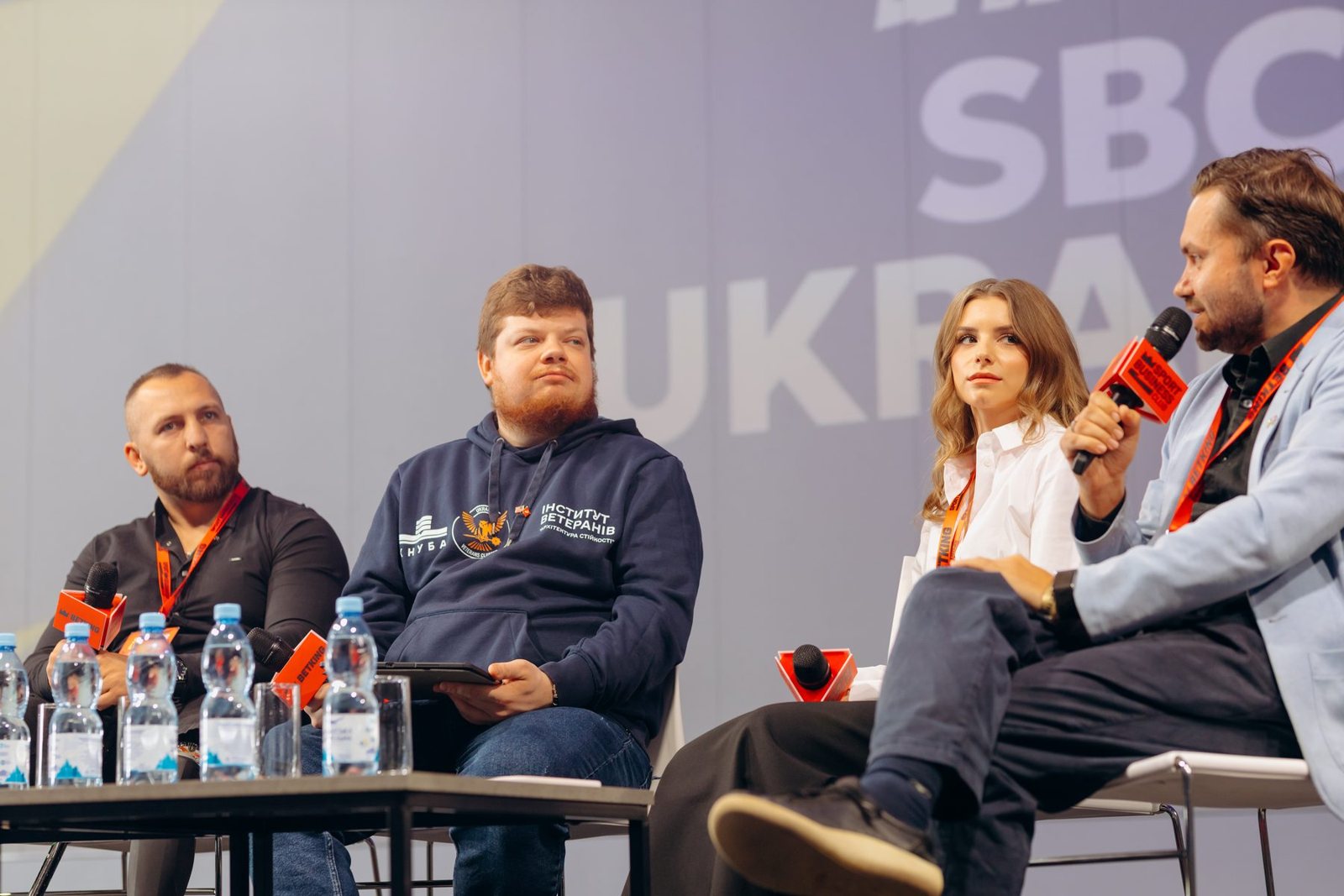
The conversation began with what happens before a veteran becomes part of a sports community. The speakers were asked what first prompts people to come to a club: the need to move, comradeship or a new goal. It was no less important to discuss what most often prevents people from taking the first step.
The next part was about the transition from trying things out to a system. For example, one can try a particular sport once, but training regularly and going on to compete is much harder. This requires coaches, equipment, accessible premises and support.
Adaptive sport was discussed separately: what must change so that it is accessible to everyone who wants to move and develop, and not only to those aiming for medals.
International Experience: Pace for Health
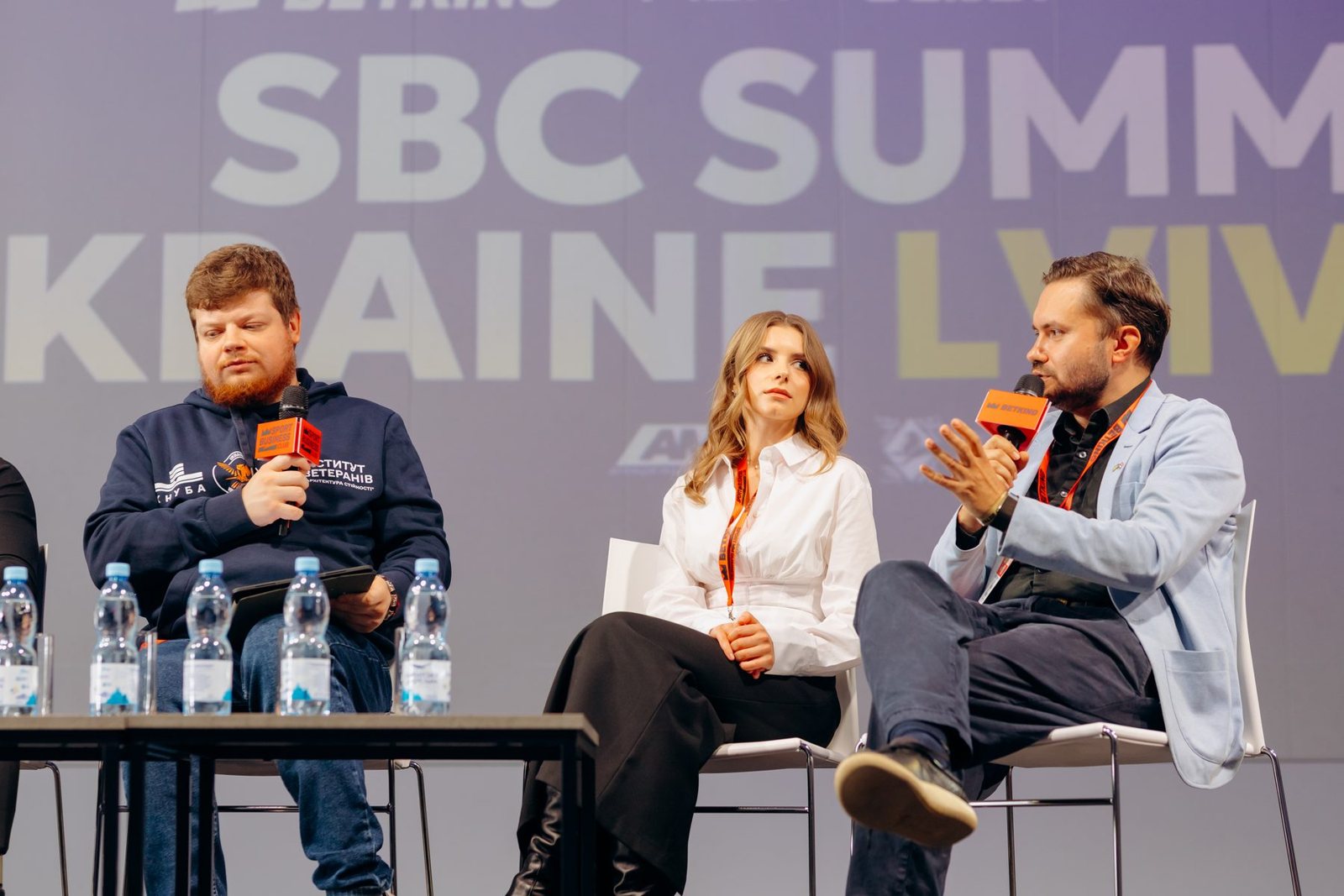
Shakhtar Social took part in the conference and presented the results of the international social project Pace for Health, implemented with the support of the European Union under the Erasmus+ Sport programme. For the foundation, this is the first Erasmus+ Sport project in which it acts as coordinator of an international consortium.
The initiative is aimed at supporting children, including internally displaced persons. Through football, the project promotes their social adaptation and creates a safe and inclusive sports environment.
Over two years of implementation:
- more than 200 children joined football training
- 100 football sessions were held at 5 locations in Ukraine
- 60 children attended two international sports camps in Italy and Greece
- an interactive methodological guide was developed for coaches working with children who are internally displaced persons
Particular attention in the presentation was paid to the long-term impact of the project. Together with Borys Grinchenko Kyiv Metropolitan University, an interactive football training programme was created based on trauma-informed and inclusive approaches. The guide contains practical recommendations and QR codes with video demonstrations of exercises filmed at the Shakhtar FC Academy. The methodology helps coaches take children’s individual needs into account, create a supportive environment and use football as a tool for developing social skills.
International cooperation became an important component of the project. Pace for Health is implemented by Shakhtar Social in partnership with AEK Sport Club (Greece), VšĮ Hope for Football (Lithuania) and Borys Grinchenko Kyiv Metropolitan University. The foundation’s project manager Iryna Matviichuk thanked the partners for their contribution and stressed the importance of combining international expertise with local experience.
The panel also paid particular attention to how the experience of such large-scale projects can be adapted for other audiences, including veterans. This is primarily about training specialists, developing inclusive sports programmes, creating methodologies and attracting international partnerships.
From Sport to Professional Life
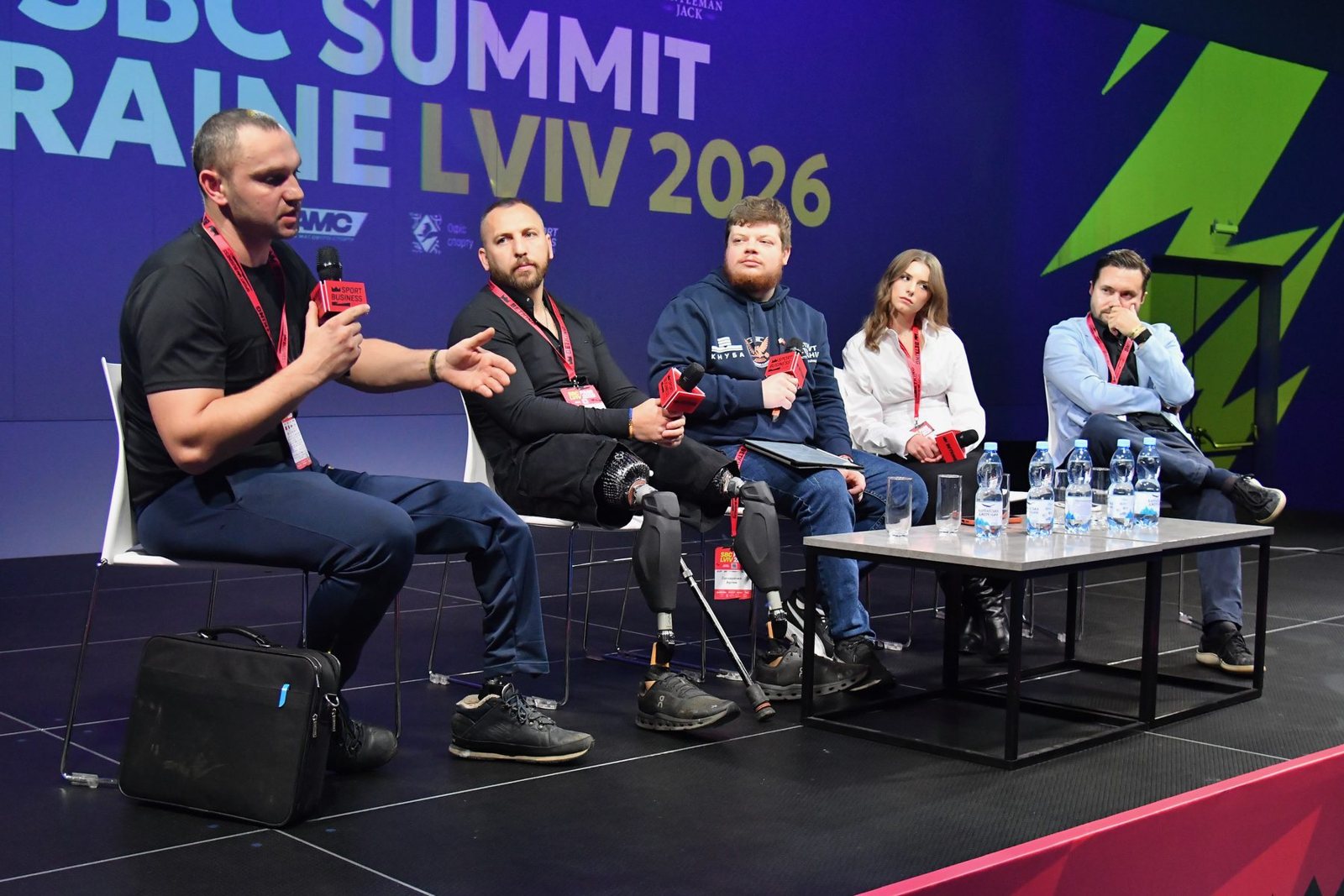
The second part of the discussion was about practical models, specific cases and opportunities for scaling. The main questions were as follows.
How can a path be built from playing sport to work? A veteran can become a coach, a mentor, a sports manager or an entrepreneur. What support from business and educational institutions is needed most for this?
Which partnership model works? The discussion covered cooperation between a sports organisation, the community and business that provides regular training, equipment and accessible infrastructure, and which of this can realistically be scaled up in small communities.
What can a veterans’ club be? Not only a support team, but also an environment that offers employer contacts, educational opportunities and support for one’s own projects.
What did international partnership bring? The example of Pace for Health showed how bringing together international partners, a university and the academic community helps to create methodologies that can later be spread more widely.
Barriers and Responsibility
One of the most important questions of the panel was the difference between an investment and a one-off event. By what criteria should partners assess success: by the number of events or by what happens to people a year or two later?
The issue of sport in small communities was also considered. There are often veterans there who are ready to train, but no specialised gyms, equipment or large budget. The speakers talked about where to start and who should take on leadership.
The Position of the Veterans Institute
Summing up the panel, Artem Honcharenko stressed: “One-off help does not change the system. It is changed by partnerships in which the community, business, education and sports organisations work together and for the long haul.”
This idea echoes the approach on which the work of the Institute “Architecture of Resilience” of KNUBA is built. A veteran’s reintegration is not limited to one stage. It covers recovery, education, employment, entrepreneurship and a barrier-free environment. In this chain, sport often becomes the first point of entry: it restores a sense of community, gives a goal and opens the way to the next steps. More information on this topic is available at veterano.info
Why This Matters
The conversation in Lviv showed that veterans’ and adaptive sport should be considered not separately, but as part of a broader reintegration policy. This requires accessible infrastructure, coaches and mentors, links with education and employers, and long-term partnerships instead of one-off initiatives. The experience of Pace for Health confirms that the methodologies developed and the international partnerships can be adapted for different groups, including veterans.