The Atlantic: why discussing symptoms with ChatGPT can do harm
More and more people are using ChatGPT as a “virtual doctor,” but this can backfire. The Atlantic writes about this, warning of a rise in cases of obsessive health anxiety. According to psychologists’ observations, users with hypochondriac tendencies begin to check their symptoms through AI regularly. Quick and detailed answers do not relieve the tension but create a need for constant confirmation of fears.
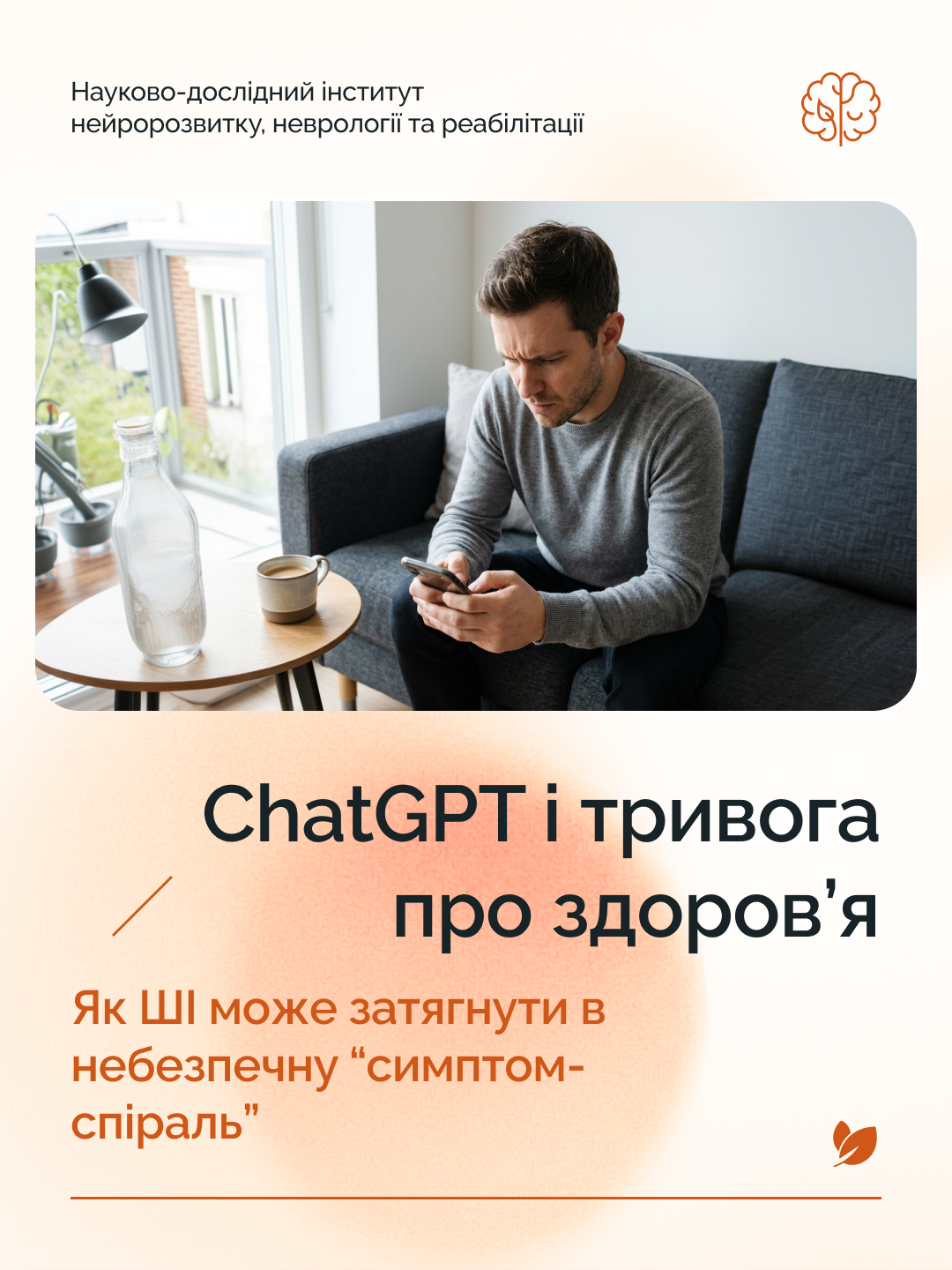
More and more people are using ChatGPT as a “virtual doctor,” but this can backfire. The Atlantic writes about this, warning of a rise in cases of obsessive health anxiety.
According to psychologists’ observations, users with hypochondriac tendencies begin to check their symptoms through AI regularly. Quick and detailed answers do not relieve the tension but create a need for constant confirmation of fears.
The problem is that the chatbot is unable to assess the mental state of the person it is talking to and has no mechanisms that would limit or stop a potentially harmful dialogue.
The authors of the article stress that artificial intelligence can be a useful source of general information but must not replace a consultation with a doctor or psychotherapist.
Source: https://neuro-hub.eu/chatgpt-mozhe-posyliuvaty-tryvozhnist-shchodo-zd/