97–98 % of war crimes cases in Ukraine are heard without the presence of the accused — Director of the Institute of Human Rights of the Association of Lawyers of Ukraine
About 97–98 % of court cases on war crimes in Ukraine are heard in absentia, that is, without the presence of the accused, Inna Linova, Director of the Institute of Human Rights of the Association of Lawyers of Ukraine, said in an interview with the Interfax-Ukraine agency. According to her, these are mainly cases in which the accused Russian serviceman is in Russia or in the temporarily occupied territory, and Ukrainian investigative and judicial bodies conduct
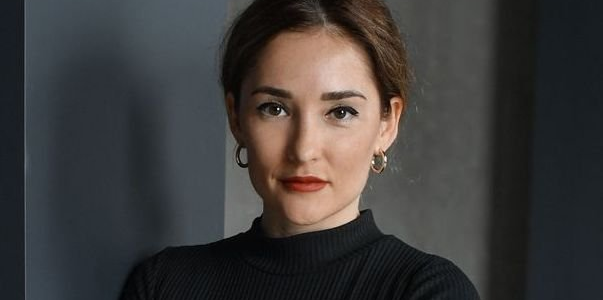
About 97–98 % of court cases on war crimes in Ukraine are heard in absentia, that is, without the presence of the accused, said Inna Linova, Director of the Institute of Human Rights of the Association of Lawyers of Ukraine, in an interview with the Interfax-Ukraine agency.
According to her, these are mainly cases in which the accused Russian serviceman is in Russia or in the temporarily occupied territory, and Ukrainian investigative and judicial bodies conduct proceedings without his physical participation.
Linova stressed that trial in absentia is in itself permitted by international standards, but in such proceedings it is especially important to ensure all guarantees of the right to defense. Otherwise, Ukraine may face serious legal and reputational risks.
“Such a trial in the absence of the accused is permitted from the standpoint of international standards, but in such cases it is especially important to ensure that the rights of the accused are protected,” she said.
According to Linova, a number of proceedings showed problems with the quality of defense: lawyers could be passive, fail to file motions, fail to examine evidence and in effect limit themselves to a formal presence in the proceedings. In some cases, defense counsel even used disparaging remarks about their own clients, which contradicts the very essence of the right to defense.
The Director of the Institute of Human Rights of the Association of Lawyers of Ukraine stressed that effective defense of the accused in war crimes cases is needed not to justify criminals but to protect the interests of Ukraine itself. If court proceedings meet international standards, this will strengthen Ukraine's position as a state governed by the rule of law and reduce the risk of later challenges to verdicts before international bodies.
The Association of Lawyers of Ukraine has been implementing an initiative since July 2023 to monitor court hearings and analyze court decisions in war crimes cases. According to Linova, these proceedings are in the focus of the international community because they are linked not only to the punishment of the guilty but also to the future system of compensation, the restoration of justice and Ukraine's international reputation.
According to the Office of the Prosecutor General, the number of registered criminal offenses classified as war crimes is rising rapidly. At the end of May 2024 there were 129,065 of them, in September 2025 — 179,803, and as of April 16, 2026 — already 221,929.
Thus, the Ukrainian judicial system faces a large-scale challenge: it must simultaneously document crimes, ensure punishment of the guilty and observe fair-trial standards even in cases that attract high public attention.